
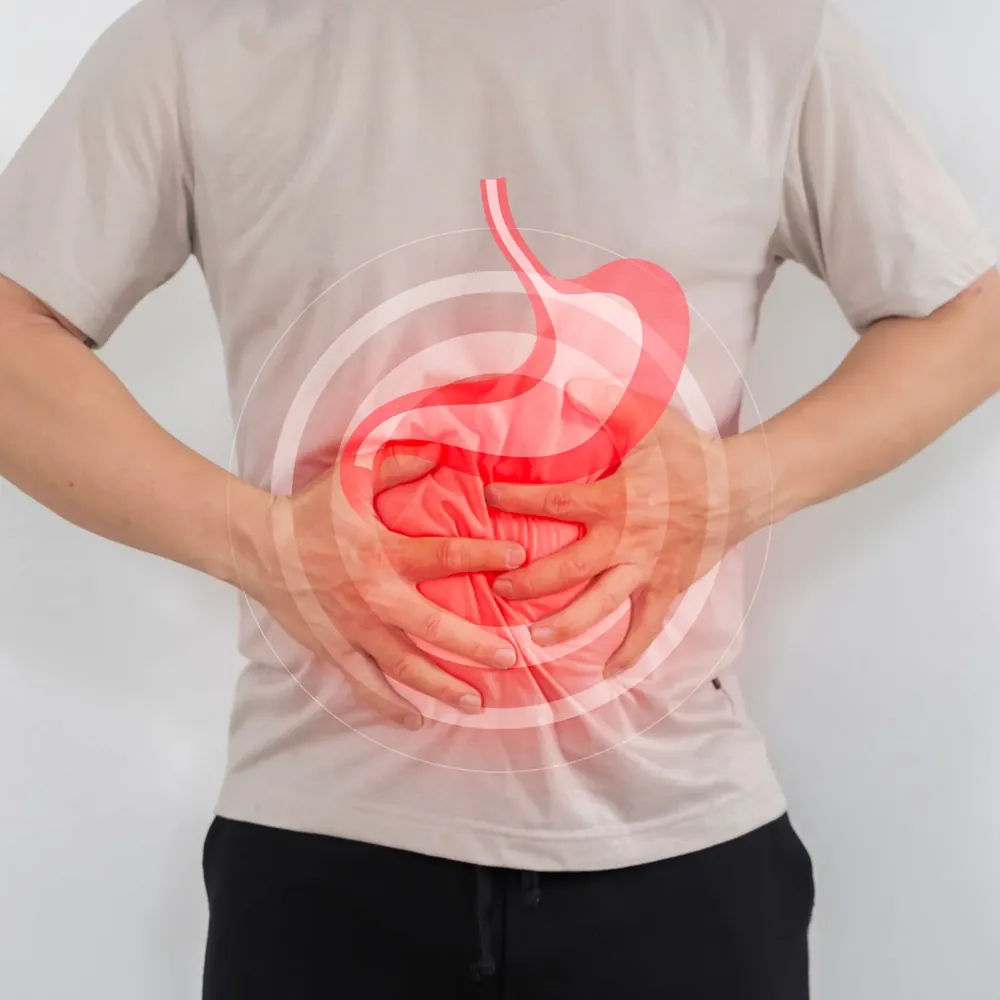
Acidity, gas and bloating are among the most common complaints today. Antacids give quick relief, but the problem keeps coming back unless the cause is corrected. In Ayurveda, acidity is called Amlapitta and is linked to disturbed digestive fire (Agni) and increased Pitta.
Why does acidity happen?
- Irregular meals and late dinners
- Spicy, oily, sour and fried food
- Too much tea or coffee, especially on an empty stomach
- Stress, anger and poor sleep
- Frequent painkillers
- Eating again before the last meal is digested
10 daily habits that help
- Eat at fixed times. Your digestion works best on a routine.
- Finish dinner early, at least 2 to 3 hours before bed.
- Do not skip breakfast or stay hungry for long.
- Chew slowly and eat without screens.
- Take a short walk after meals instead of lying down.
- Reduce chilli, pickles and fried food.
- Limit tea and coffee, and never on an empty stomach.
- Include cooling foods: amla, coconut water, buttermilk, ripe banana, rice and moong dal.
- Drink cumin, coriander and fennel water through the day.
- Manage stress with pranayama and enough sleep.
Ayurvedic treatment
Treatment starts with correcting diet and routine, then medicines chosen for your type of digestion. For long-standing acidity, Virechana (therapeutic purgation) is very effective in removing excess Pitta. Constipation, if present, is treated at the same time.
When to get checked
See a doctor promptly if you have difficulty swallowing, vomiting of blood, black stools, unexplained weight loss, or pain that wakes you at night. These need investigation.

Written by the doctors of KeshavbaugThis article is for general information and is not a substitute for a consultation. Please see a doctor before starting any treatment.